Pool Sand Filter Maintenance: A Practical Guide
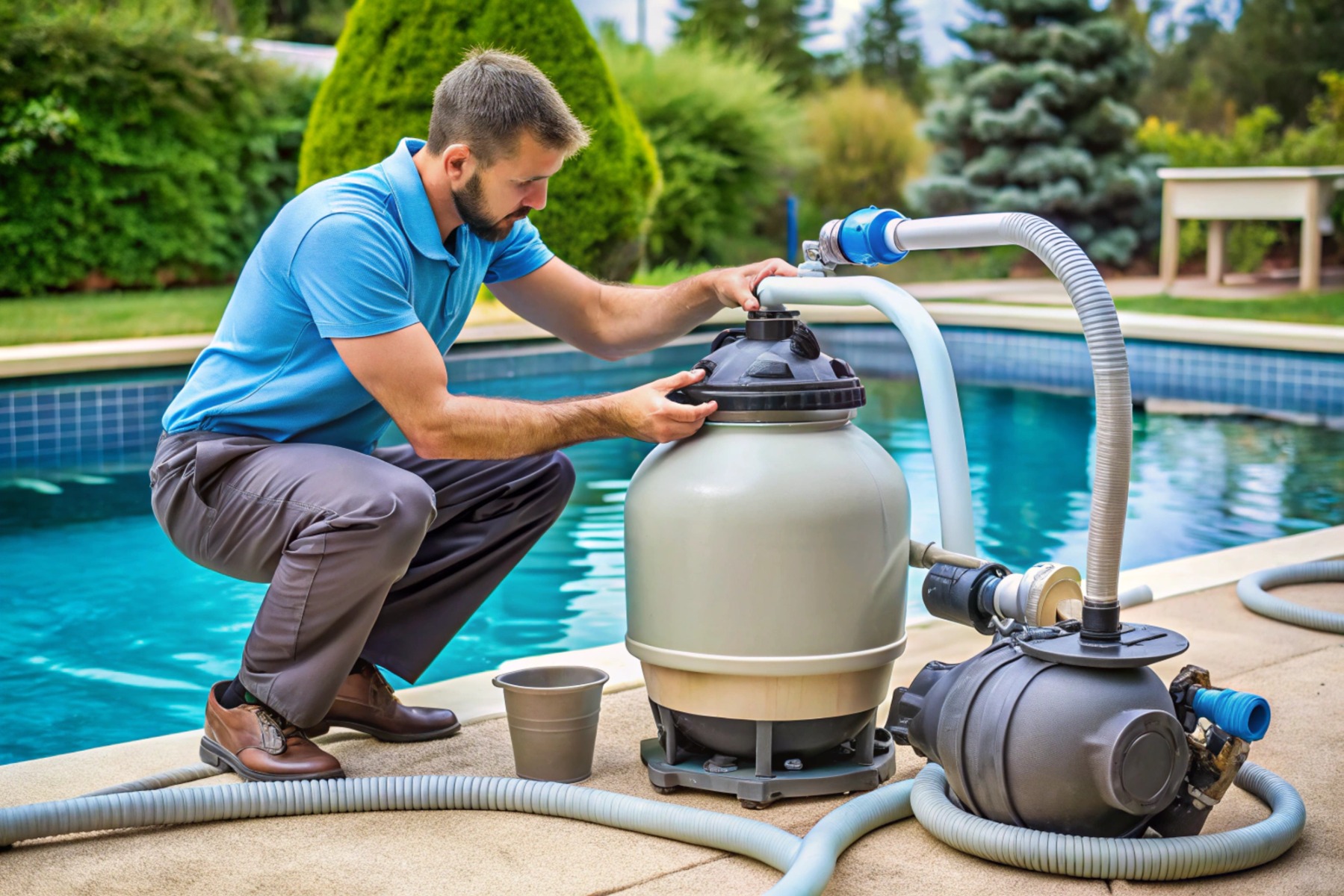
Sand filtration systems are among the most common and reliable ways to keep pool water clean. However, to ensure long-term efficiency and trouble-free operation, regular maintenance is essential.
Quick answer: How often should you clean a pool sand filter?
every 7–10 days during normal operation
when the pressure rises by approximately 0.3–0.5 bar above the usual level
more frequently during intensive pool use, especially in hot weather
Regular backwashing is crucial for maintaining proper filtration performance.
How a sand filtration system works
A pool filtration system draws water from the pool and pushes it through a layer of silica sand, which captures mechanical impurities and debris.
Over time, the spaces between the sand grains become clogged, which can lead to:
increased system pressure
reduced water flow
lower filtration efficiency
Signs your filter needs maintenance
Typical warning signs include:
higher-than-normal pressure on the pressure gauge (approximately 0.3–0.5 bar increase)
weaker water circulation
cloudy or unclear water
visible debris collecting at the bottom of the pool
If you notice any of these signs, it is time to backwash the filtration system.
Backwashing: The foundation of proper maintenance
Backwashing removes accumulated dirt from the filter media and restores proper water flow.
How to Perform a Backwash Correctly
Turn off the pump
Switch the valve to the “Backwash” position
Turn on the pump for 2–5 minutes
Monitor the wastewater — it should gradually become clear
Switch to “Rinse” mode for 1–2 minutes
Return the valve to the “Filter” position
Important: Never switch the valve position while the pump is running.
How often should pool filter sand be replaced?
Filter media has a limited lifespan.
Based on practical experience, we recommend:
replacing the sand every 2–3 years
replacing it sooner if filtration performance decreases
replacing it if the sand becomes compacted or mechanically damaged
Old filter sand gradually loses its ability to capture fine particles, which often results in cloudy pool water.
Most common maintenance mistakes
irregular or delayed backwashing
changing the valve position while the pump is running
excessive use of pool chemicals, especially flocculants
undersized filtration systems compared to pool size
These issues can shorten the lifespan of the equipment and negatively affect water quality.
Recommendations for longer filtration system lifespan
regularly monitor pressure gauge readings
follow recommended backwash intervals
maintain pool water pH between 7.2 and 7.6
combine filtration with properly balanced pool chemistry
rely on professionals for system design
At Aquinium, we design filtration systems based on the actual load and usage of the pool — not only on water volume. This allows the technology to operate efficiently, economically, and without unnecessary complications.
Complete pool solutions from Aquinium
A properly designed filtration system is the foundation of every functional swimming pool. At Aquinium, we provide complete turnkey solutions — from technology design to installation and ongoing service.
Every project is tailored to the specific conditions and expectations of each client.